Manhattan of the Desert: The Oldest Surviving Skyscrapers in the World

Most people think of skyscrapers as inventions of the post-industrial world, characteristic of tightly-packed urban environments. Density in cities is, of course, nothing new. Surprisingly, neither is the art of constructing tall buildings, as evidenced by the city of Shibam.
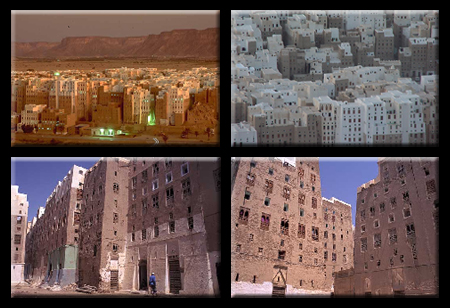
City of Shiblam

Shibam, Yemen has been continuously occupied for over two millennia. This remote desert city boasts buildings of mud brick that reach up to fourteen stories in height, many dating back hundreds of years (and parts of which date back thousands).
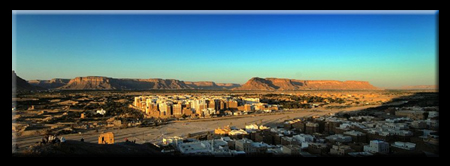
Shiblam

Since becoming a World Heritage city over 20 years ago, the area has largely catered (for better or worse) to tourists. However, this has at least helped preserve both the buildings and aspects of the regional culture that might otherwise have been lost.
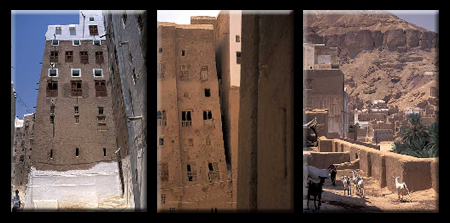
Desert Skyscrapers

Shibam’s structures are built of load-bearing materials, as opposed to modern frame-and-cladding techniques (the building blocks of contemporary skyscrapers). As such, the bases of the buildings are up to four feet thick. For a better look, check out these two amazing videos of the city - a flyover and a short tour of the city


Want More? Check Out These Great Related Articles:

Comments

Comment from John Lampard
Time: September 2, 2007, 5:26 am

And I thought the Tower of Babel was the first sky scraper! ;) This is interesting because high rise buildings usually suggest land is at a premium, yet looking the photos of the desert there appears to be loads of room! Was there any reason why they built these multi level buildings that you know of?

Comment from CHESSNOID
Time: September 2, 2007, 10:18 am

These buildings are absolutely amazing. I can’t believe they had skyscrapers made out of this material stacked that high. Also they look like they have been kept in excellent condition.

Comment from Web Urbanist
Time: September 2, 2007, 1:45 pm

@John: I think the density was so that they could more easily wall in and protect the city - so they built up instead of out. Fairly amazing that they managed to do so well at the time. Even in modern times we have very few load-bearing (i.e. not steel frame) structures that rise to this height!

@Chessnoid: Yes, a lot of work has gone into keeping them upated - especially in modern times and since the city became a World Heritage site. Definitely great news as the city represents an amazing piece of living history.

Comment from AgentSully
Time: September 2, 2007, 4:27 pm

Great finds WebUrbanist! As always. Now I just wish I could visit them!

Comment from Al Ebaster
Time: September 2, 2007, 5:10 pm

Yeah, I’d love to go there.

Comment from David
Time: September 2, 2007, 5:21 pm

Indeed. Amazing pictures, its fascinating to see other places like this.

Comment from ilker -=- The Thinking Blog
Time: September 2, 2007, 11:20 pm

I saw these buildings in a documentary some time ago. I think it’s unbelievable the fact that they are made of mud!

Comment from andrew
Time: September 5, 2007, 1:04 pm

the density might also have spurred by the difficulty in obtaining and transporting water

Comment from shae-shae
Time: September 11, 2007, 9:44 pm

Subway parties… who would have thought? Desert skyscrapers? This site is a wealth of knowledge. :o)

Write a comment


Get WebUrbanist via Email


Archive