• 9 Creatively Camera-Free Photographers [30 Photos]

    camera free photography

    Looking at some of the most impressive contemporary photography, it’s easy to believe that sophisticated equipment is necessary.  Thoughts of prohibitively expensive cameras and all of the other trappings of professional photography have dissuaded plenty of would-be photographers over the years.  But amazing images have been made for centuries without any help from cameras using creatively strange pinhole and photogram photography techniques.

    Photograms
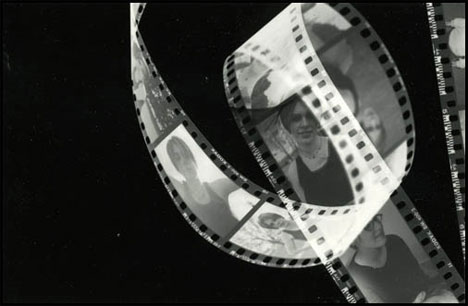
    puja photogram of negative

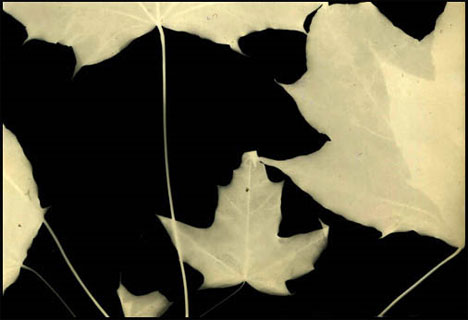
    puja photogram leaves

    (images via: Puja)

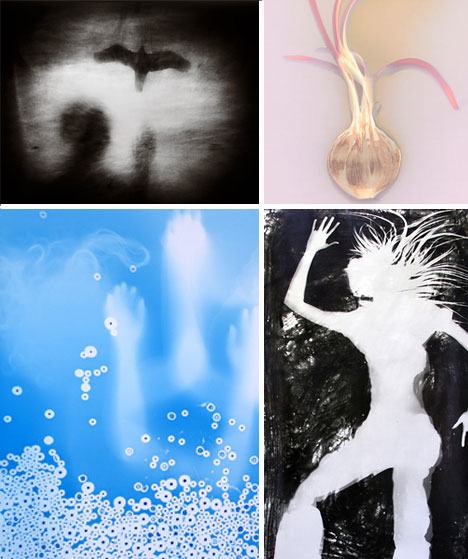
    Photograms are, quite simply, photographs made without a camera.  Items are placed on photo-sensitive paper and the whole setup is exposed to light.  After processing, the exposed areas will be dark and the areas covered by the items will appear as negative spaces.  The method is popularly associated with the artist Man Ray, who called his images rayographs.

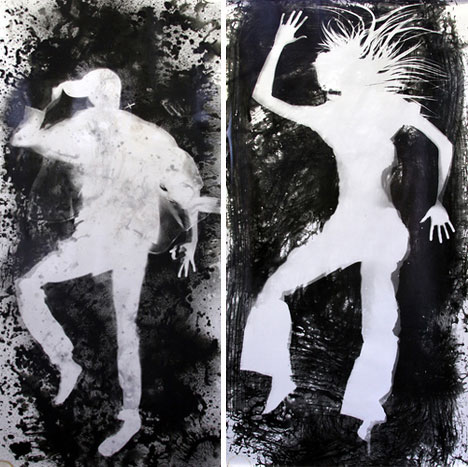
    The Human Photograms of Mark Magnan
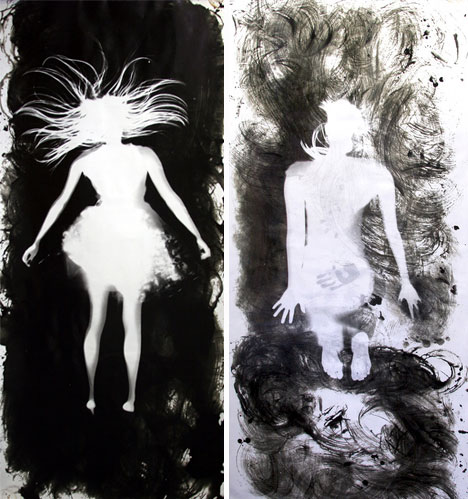
    mark magnan photograms

    mark magnan photograms

    (images via: Magnum Opus)

    Since the image is produced directly onto paper, there is no negative.  Each photogram is a one-of-a-kind work of art.  And because of the unique process, the images can come out looking surreal, delicate, alien, ghostly, or just indescribably different than we expect.  The above photograms from Mark Magnan show how the human form can look like a toy when it’s reproduced with this ancient method.  These photograms used exceptionally large pieces of photographic paper to capture the real human subjects.

    The Natural Photograms of Angela Easterling
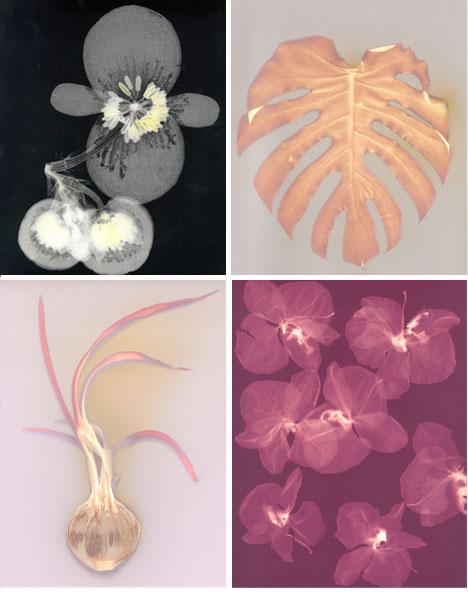
    angela easterling photograms

    (images via: Angela Easterling)

    One of the first applications of photograms was documenting botanical specimens.  The small size and intricate details of the subjects made them ideal for this unique form of recording.  These botanical photograms from Angela Easterling take on an otherwordly interior glow while perfectly capturing every earthy detail of the organic subjects.

    The Exploratory Photograms of Keith Carter
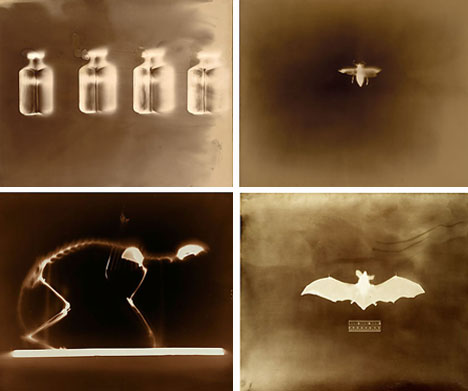
    keith carter photograms

    (images via: Keith Carter Photographs)

    When Keith Carter set out to create a series of photograms, his intention was to pay homage to William Henry Fox Talbot, one of the most significant people in the development of modern photography.  What resulted was a wholly unique and breathtaking series of photograms depicting everything from human and animal bones to botanical specimins and lacy handkerchiefs.  Although these photograms are modern, it’s easy to imagine them being hundreds of years old.

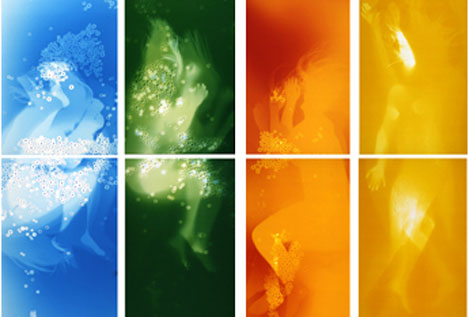
    The Large-Scale Photograms of Glenn Freidel
    glenn friedel photograms

    (images via: Glenn Friedel)

    Using photography to convey motion is certainly not a foreign prospect to most photographers, but photograms are a different story.  The very idea of a photogram seems to conflict with the concept of motion.  Glenn Friedel manages to break through that barrier with his brilliantly colored large-scale photograms picturing human models.  Though static, their bodies appear to be in motion and full of life.

    Pinhole Photography
    stephen carter pinhole photo

    stephen carter pinhole photo

    (images via: Stephen Carter)

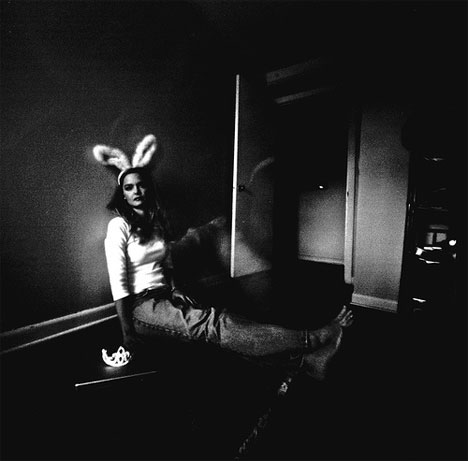
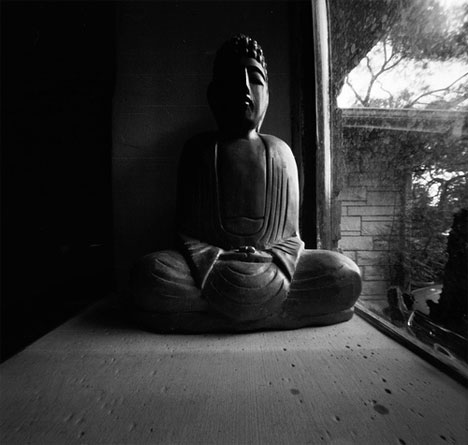
    Many of us have fond memories of making pinhole cameras in school.  These simple machines are little more than light-proof boxes, but they can produce some stunning and singularly beautiful pictures.  Amazingly, pinhole cameras can be made from nearly anything: oatmeal boxes, suitcases, paint cans, mobile phones…in fact, just about any container that can be made light-proof can be a pinhole camera.

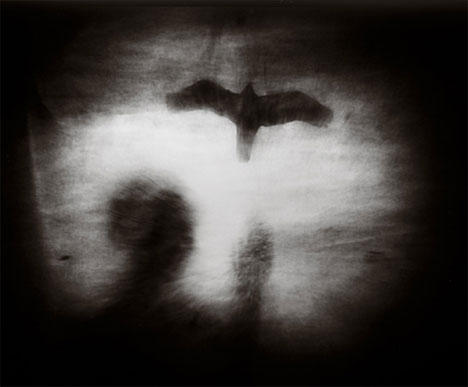
    The Pinhole Photography of Mark Tweedie
    mark tweedie pinhole

    mark tweedie pinhole

    mark tweedie pinhole

    (images via: F295)

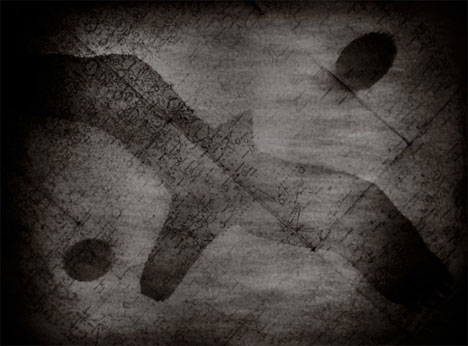
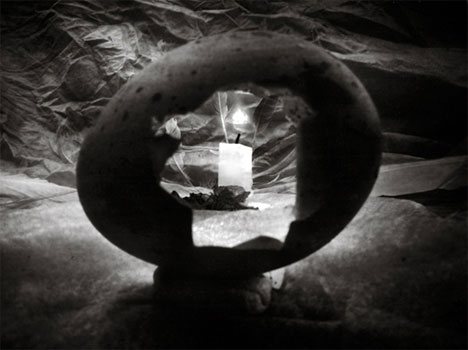
    When Icarus attempted flight, he met with a disastrous end.  When Mark Tweedie attempted to depict the Icarus’ joy during his short flight, he created amazing images full of life and mystery.  Because of the unique properties of pinhole photography, the images it produces can look completely manufactured or overly realistic.  Mark Tweedie’s “Dream of Flight” series strikes a perfect balance between stark reality and fanciful mystery.

    The Pinhole Photography of Erika Dudaite
    erike dudaite pinhole photography chess game

    (images via: Pinhole.lt)

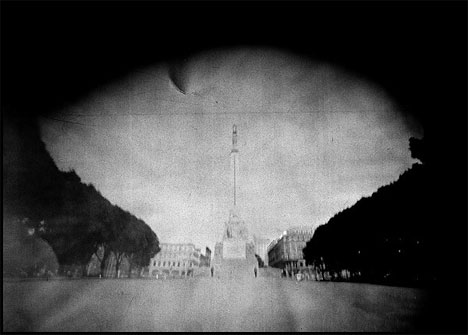
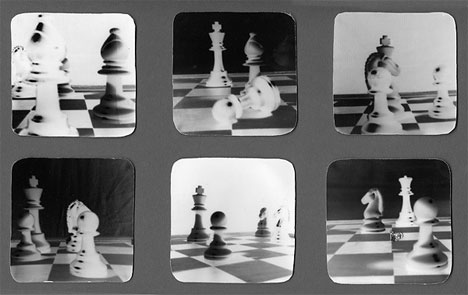
    Something about pinhole photography makes even the most mundane subjects seem ethereal and truly special.  Lithuanian photographer Erika Dudaite transforms a chess game into an otherworldly match of wits with her excellent execution of pinhole photography.

    The Suitcase Pinhole Photography of Andrius Narvicius
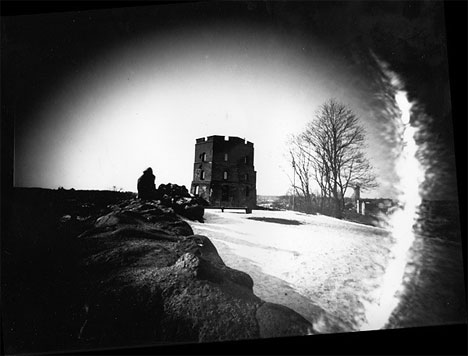
    andrius narvicius suitcase pinhole photography

    andrius narvicius suitcase pinhole photography

    andrius narvicius suitcase pinhole photography

    (images via: Pinhole.lt)

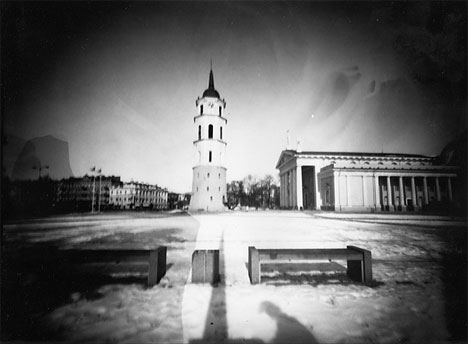
    Andrius Narvicius, another Lithuanian photographer, created these gorgeous images using a suitcase converted to a pinhole camera.  There is a certain charming quality to his photos that makes it evident how much he cares for both the subject and the tools he uses.  Andrius has created a number of unusual pinhole cameras from a variety of containers.

    If you are new to WebUrbanist, click here to sign up for the RSS feed and take a look through our archives and urban galleries. Also be sure visit our green twin the wonderful WebEcoist and and see architecture, interiors, fantastic furniture and more designs at Dornob or click here if you need to design a free flash website.

    And on Other Sites See:

    31 Comments

    • Allan
      November 6th, 2008 at 1:14 pm

      Ummm, I really do hate to argue semantics, but a pinhole *camera* is still a camera. So your headline doesn’t make much sense.

    • M.A.W.
      November 6th, 2008 at 2:31 pm

      Allan, if you “really do hate to argue semantics,” why do it? D-bag. It’s a good article, and maybe you need to allow for some poetic license, hmmm?

    • logan
      November 6th, 2008 at 10:12 pm

      One photographer you should check out that doesn’t use a camera is Abe Morell.

      http://www.abelardomorell.net/.....sc_49.html

      He light proofs an entire room and then pokes a tiny hole in the window to make the entire space a camera obscura.

      Look through his site. Good Stuff.

    • Writing online
      November 7th, 2008 at 5:03 am

      One of the first applications of photograms was documenting botanical specimens. The small size and intricate details of the subjects made them ideal for this unique form of recording. These botanical photograms from Angela Easterling take on an otherwordly interior glow while perfectly capturing every earthy detail of the organic subjects.

      That was new to me.

    • Shirley Buxton
      November 7th, 2008 at 6:02 am

      Allan, you must read more carefully. The first images are photograms, executed entirely without any kind of camera.

    • chirne
      November 7th, 2008 at 6:24 am

      just the first ones qualify the rest r using camera. fail

    • Sheldon
      November 7th, 2008 at 6:46 am

      check out the luscious photograms of Seze Devres at seze.net, she’s got the touch

    • sjqchill
      November 7th, 2008 at 8:35 am

      The first photo under the photogram section (the spiraling roll of film) is a fake, it’s not a photogram at all. Photograms achieve “focus” by being in contact with the paper. Usually this requires putting a piece of glass on top of the object being photogrammed. In the image of the film, the film is curling and couldn’t possibly be flat against the paper. Every part of the film not in contact with the paper would be horribly out of focus.

    • pixelninja
      November 7th, 2008 at 9:05 am

      All the images shown are beautiful, but Allan is technically correct. A pinhole camera is still a camera.

      Shirley, I think it is you who needs to read more closely. Allan wasn’t saying that the first images were done with a pinhole camera. Just that including images taken with a pinhole camera in an article about camera-free photography is technically incorrect.

      All bickering aside, these are some really wonderful images.

    • Shawn Saumell
      November 7th, 2008 at 9:18 am

      These are wonderful examples. In a currently digital age with experiments and alternative processes being replaced for ease and convenience, it’s refreshing to see that some people still appreciate a master craft.

      I practice in all of these processes and more. You can see examples on my website. There’s two other important artists that I would like to see added to these categories: Man Ray and Adam Fuss.

      Thanks again for the wonderful blog!

    • MadMolecule
      November 7th, 2008 at 9:19 am

      Pinhole isn’t cameraless, it’s lensless. It’s also a lot of fun; I’ve been shooting pinhole pretty regularly for five or six years.

    • George L Smyth
      November 7th, 2008 at 10:15 am

      Nice article, it’s good to see people doing these things.

      I have been creating what I refer to as expired paper photograms. I use expired photographic paper, place objects on it, leave the paper in the sub for a couple of hours, scan the paper, and add levels and curves adjustments to it. The results can be found at http://glsmyth.com/Gallery.asp?G=Expired%20Paper.

    • COLAC
      November 7th, 2008 at 10:33 am

      A more accurate title: 9 Creatively Negative-Free Photographers [30 Photos]

    • markbrand
      November 8th, 2008 at 10:29 am

      When you are bored, staying in a hotel - draw the drapes but leave an 1/8 hole and watch the world go by on the opposite wall.

      I call it pinhole TV.

    • Ignatz Horowitz
      November 10th, 2008 at 6:27 am

      Just more of the same old stuff that’s been done before…long before any of these “artists” were even a passing thought.

    • MadMolecule
      November 10th, 2008 at 7:14 am

      Ignatz, you don’t get invited to a lot of parties, do you?

    • Barb
      November 10th, 2008 at 7:27 pm

      I enjoy farting.

    • Leanne
      November 14th, 2008 at 1:48 pm

      @ Colac

      I wouldn’t say that the pinhole photography is negative free.

    • Bree
      February 16th, 2009 at 2:55 am

      i am constantly seeing new photograms with different techniques and using humans is by far the best object for a photogram!

    • Ali S.
      April 20th, 2009 at 4:57 pm

      Ah, photograms! I remember doing these back in highschool. They were the very first thing we learned to do to teach us how to use the print paper and composition. It was so much fun to do.

    • Farty potter.
      May 21st, 2009 at 12:49 pm

      Go play in traffic.

    What do you think? Leave a comment!


    Visit Our Partner Sites: